
The West Was Always Bigger Than You Were Told
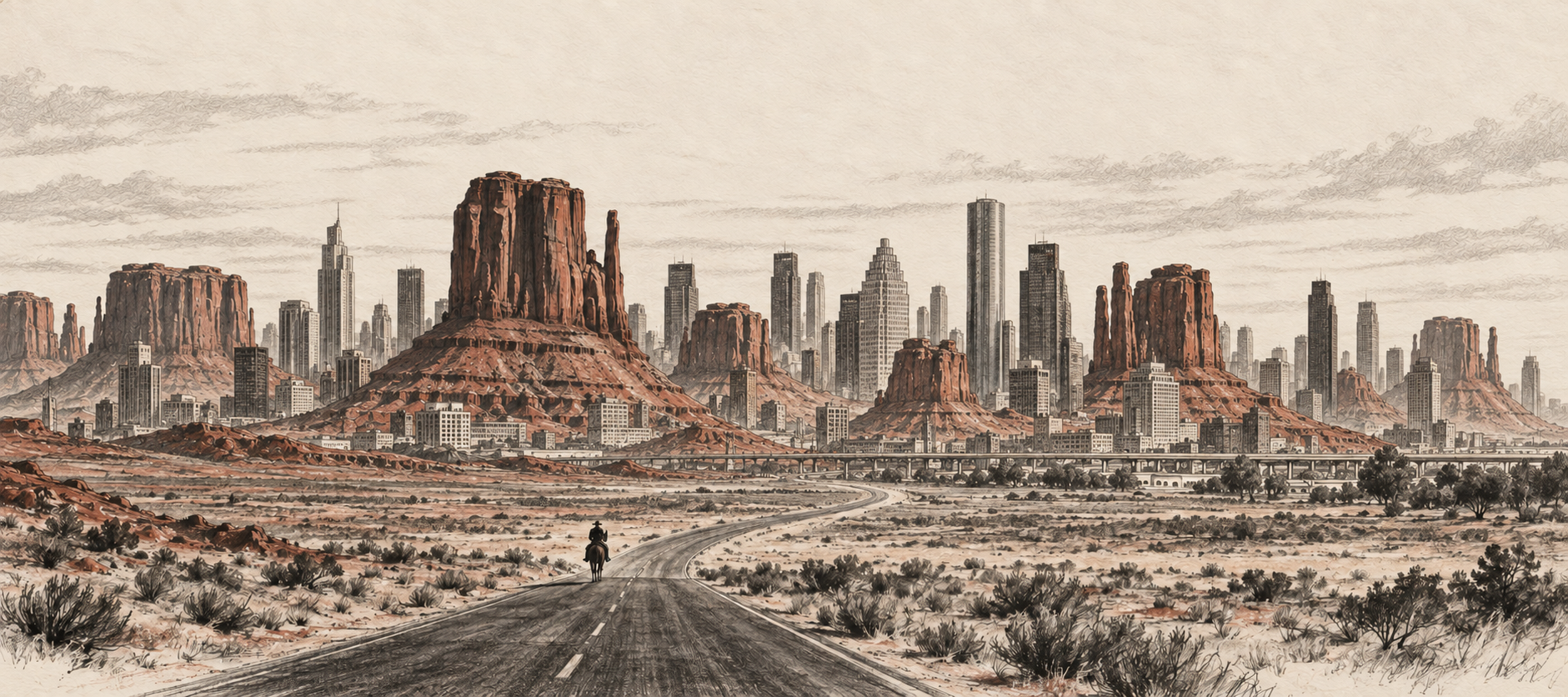
Western culture has never belonged to one image, one industry or one kind of person. Its future begins by recognizing everyone who has always been part of its story.
Before the West became an image, it was a way of life.
It was land, movement, survival and community. It lived in the hands of the people who raised animals, built homes, carried traditions and created something lasting in places that demanded resilience.
Long before the Western story reached movie screens, fashion campaigns and arena floors, Native people were already connected to this land. Black cowboys were already riding, ranching and helping build the cattle industry. Mexican vaqueros had already shaped the horsemanship, language and traditions that would become inseparable from cowboy culture.
But somewhere along the way, the picture became smaller than the truth.
The West was packaged into one familiar image: one kind of cowboy, one version of history and one narrow definition of who belonged. The people who did not fit that image were often treated as additions to the story, even when they had been there from the beginning.
The real West has always been broader.
It lives in rodeo arenas and on family ranches. It moves through Native nations, Black trail rides, rural communities and growing cities. It influences music, fashion, art, sport and business. It belongs to the athletes, artists, founders, makers and families who continue carrying its traditions forward while creating something new.
Today, Western culture is reaching audiences far beyond the places traditionally associated with it. Cowboy boots appear on international runways. Rodeo imagery influences global campaigns. Country music is expanding. Western stories are finding new platforms and new audiences.
But visibility alone is not progress.
The culture must also create opportunity for the people who live it.
That means investing in founders instead of merely borrowing their stories. It means building partnerships with communities, not simply marketing to them. It means recognizing the cultural leaders, athletes, artists and entrepreneurs whose work has helped shape the modern West.
WESTWARD FOUR was created within that possibility.
A place where culture, commerce, community and connection move in the same direction. A platform grounded in the belief that the Western world becomes stronger when its complete story is visible and when the people carrying that story have access to the relationships, resources and opportunities shaping its future.
The West was never as small as the image created for it.
It has always crossed cultures, industries, communities and generations.
Now, the world is finally beginning to see it.
Honoring where Western culture comes from. Building where it goes next.
